Saturday night at a Waterkloof pub ended with one biker dead and another in hospital. Police say a heated argument between two rival motorcycle clubs turned into a shooting. A suspect has since been arrested, and the pub has banned biker patches on its premises. People are now asking whether this is the start of a biker war in South Africa.
Let’s go through what we know so far, in simple terms.
What happened at Little Britain Pub
It was around 8pm at Little Britain Pub when things went wrong. Police say an argument broke out between members of two motorcycle clubs. Words were exchanged, and then someone reached for a gun.
According to Captain Johan van Dyk of the South African Police Service, officers arrived to find paramedics already working on a man outside the pub. He had been shot in the chest and was rushed to hospital. Inside, they found another man who had died from a chest wound. He was 55 years old.
Early information suggests one bullet went through the injured man and then hit the man who died. Police haven’t confirmed every detail, and the investigation is still young, so the story could shift as more comes out.
Brooklyn police are treating the case as murder and attempted murder.
Suspect arrested the next morning
The shooter didn’t hang around. Police say he escaped on a motorcycle. By Sunday morning, though, he had been arrested.
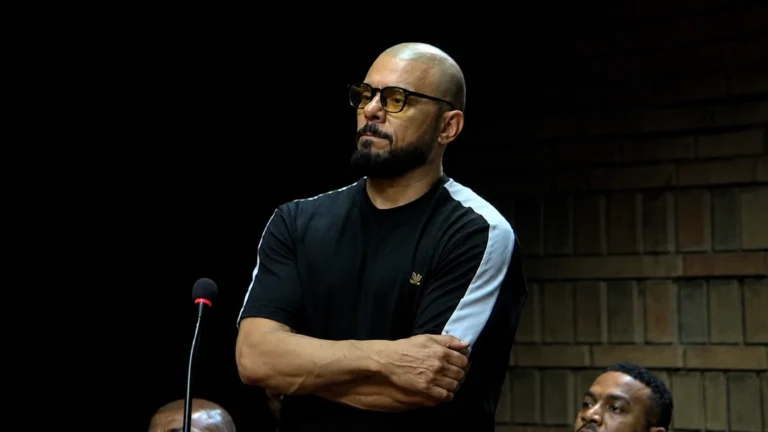
He’s now facing charges of murder and attempted murder, and he’s due in the Pretoria Magistrate’s Court in Hatfield on Monday. That will be his first appearance, so the case is still at an early stage.
One thing needs saying plainly. He is an alleged shooter for now. In South Africa, everyone is presumed innocent until a court finds otherwise, and the evidence will be tested in court.
Which clubs are involved
Police confirmed that both victims belonged to the Macs Biker Group. The suspect is linked to the Crusaders.
Neither club had commented when the first reports came out. That’s common after something this serious, but it leaves a lot of unanswered questions. Members, families and the wider biking community are all waiting to hear what the clubs will say.
Pub announces a ban on biker patches
Within hours of the shooting, Little Britain Pub announced a ban on biker patches. Those are the club badges riders wear on their jackets and vests to show who they ride with.
Management said the rule covers every club equally, so nobody is being singled out. They also said they were deeply saddened by what happened.
The thinking behind it is easy to follow. Patches show loyalty, but when two rival groups end up in the same room, they can also start trouble. No patches means one less thing to provoke a fight. Will it work? Nobody knows yet. But the pub’s message is simple enough: come in as a customer, not as a club.
Biker association condemns the violence
The wider biking world didn’t stay quiet. Sapa Yopa, a biker association, strongly condemned the violence. Its president, Pico “Martins” Antonio, said bikes are meant for friendship and charity, not bloodshed. “No life should be lost to ego or petty disputes,” he said.
He also stressed that firearms are not toys, and that anyone who uses one recklessly should face the full force of the law. He called on Crusaders leadership to publicly denounce the shooter and asked both clubs to sit down and talk.
It’s an easy message to understand. Leaders set the tone, and ordinary members usually follow. If the people at the top choose peace out loud, it can calm things down. If they stay silent, tension tends to grow.
Antonio asked the Crusaders and Mac’s MCC to work together to restore order, saying leaders must show they’re serious about peace.
Months of tension between the clubs
This didn’t come out of nowhere. Reports say tension between the two clubs has been building for months. One earlier flashpoint was an alleged fistfight in Jeffreys Bay on Boxing Day.
That history is why people are nervous. A scuffle at the coast is one thing. A fatal shooting in a Pretoria pub is something else entirely. It’s the reason some people are now openly worrying about a bigger biker war.
To be fair, police haven’t said any such war exists. They’re looking into one specific shooting. But the background between these clubs explains why so many people are watching this case closely.
What South African law says about firearms
Guns in South Africa are controlled by the Firearms Control Act. Generally, you need a licence to own one, and strict rules cover how it can be carried and used. Shooting someone in anger isn’t covered by any of them.
Self defence has limits too. A court will look hard at the facts before accepting that argument, and a murder conviction carries a heavy sentence.
If you want to know how licensing works, the South African Police Service explains it on its website at saps.gov.za. It’s written in plain language and is a good place to start.
What happens next
Expect a few things in the coming days.
The suspect will appear in court. The magistrate may deal with bail, or the case may be postponed so police can finish their work. Detectives will keep taking statements, studying the scene and gathering evidence. They’ll also try to work out exactly how the argument escalated.
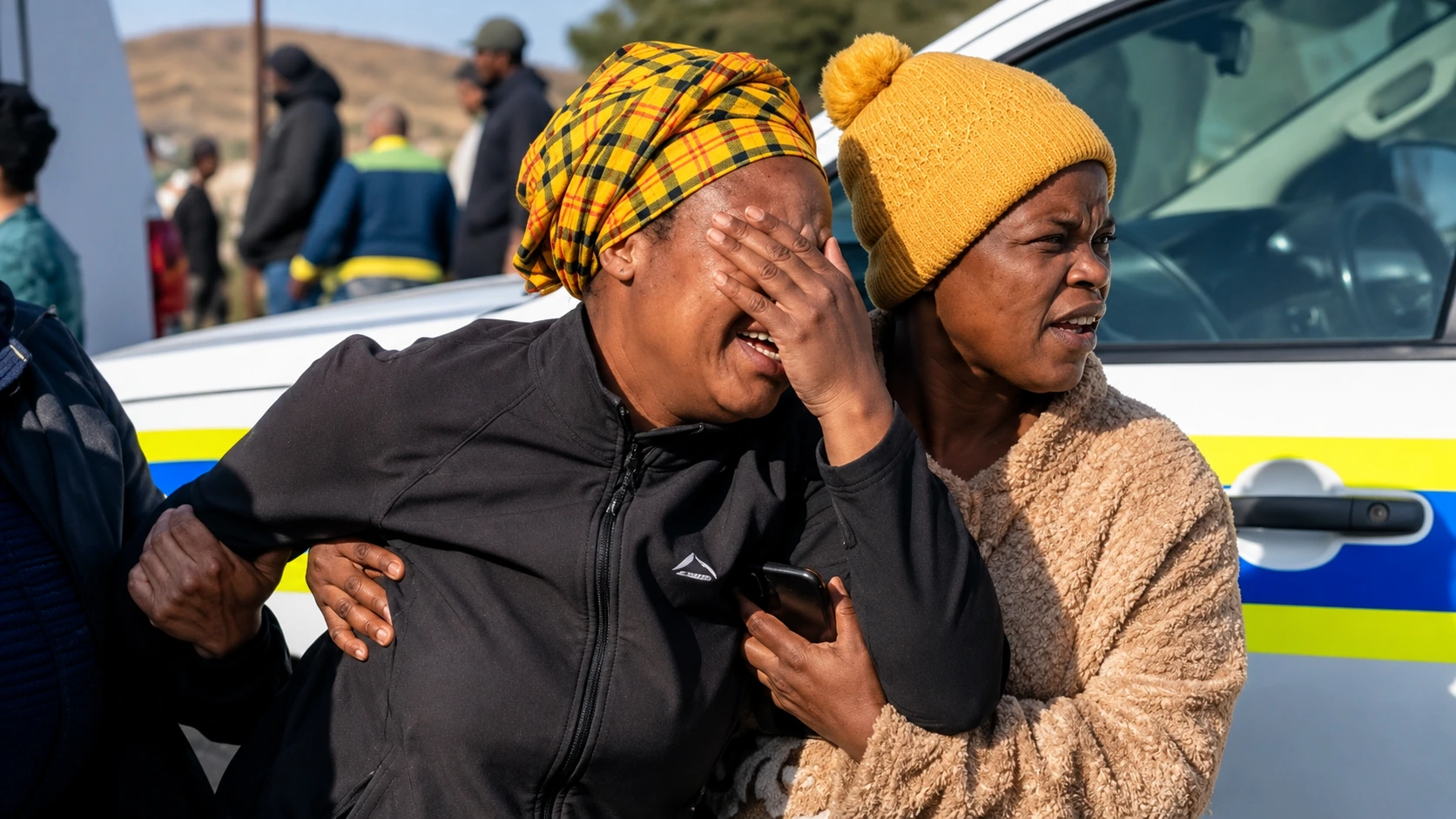
Spare a thought for the families. One has lost a loved one. Another is dealing with an injured relative. Whatever the clubs decide to do, those families are carrying the real cost of that night.
Other pubs and venues may start asking whether they need similar rules. A patch ban is a simple step and an easy one to copy, though each venue will make its own call.
If you know something about the case, tell the police. The Crime Stop line is 08600 10111, and you can stay anonymous. You can also walk into your nearest police station. For general information on how the courts work, the Department of Justice has useful guides at justice.gov.za.
The bigger picture
This started as an argument and ended with a man dead and another in hospital. The arrest, the patch ban and the calls for peace all came after that.
The facts are still coming in. The court will decide guilt. The clubs will decide how they respond. And the community will decide whether this becomes a turning point or just another headline. For now, most voices are saying the same thing: bikes should bring people together, and no badge is worth a human life.
About the Author