South Africa’s central bank wants to change how cash moves around the country. It plans to set up a new cash utility and roll out shared ATMs that customers of any bank can use. The goal is simple: make cash cheaper and easier to reach, especially for people in rural areas and poorer communities.
What the Reserve Bank has announced
The South African Reserve Bank (SARB) wants to build a new body that manages physical money across the country. Pradeep Maharaj, who heads the bank’s Payments Ecosystem Modernisation Programme, shared the plans in an interview on Friday.
He said the target is to have the cash utility established by March next year. That includes putting a governance structure in place and appointing directors. It is the first big step in a longer reform process.
The Reserve Bank also wants to move its own cash centres into the utility. After that, it plans to start bringing in cash centres that are currently run by private industry players. The idea is to have one central body overseeing the system, which should make it easier to manage.
Fewer cash centres across the country
South Africa currently has about 109 cash centres. Maharaj believes that is too many. The plan is to bring the number down to 50 at most.
Cutting the number of centres is part of a wider effort to bring down the cost of handling cash. The bank sees a leaner network as an easy way to tighten oversight.
What are white label ATMs?
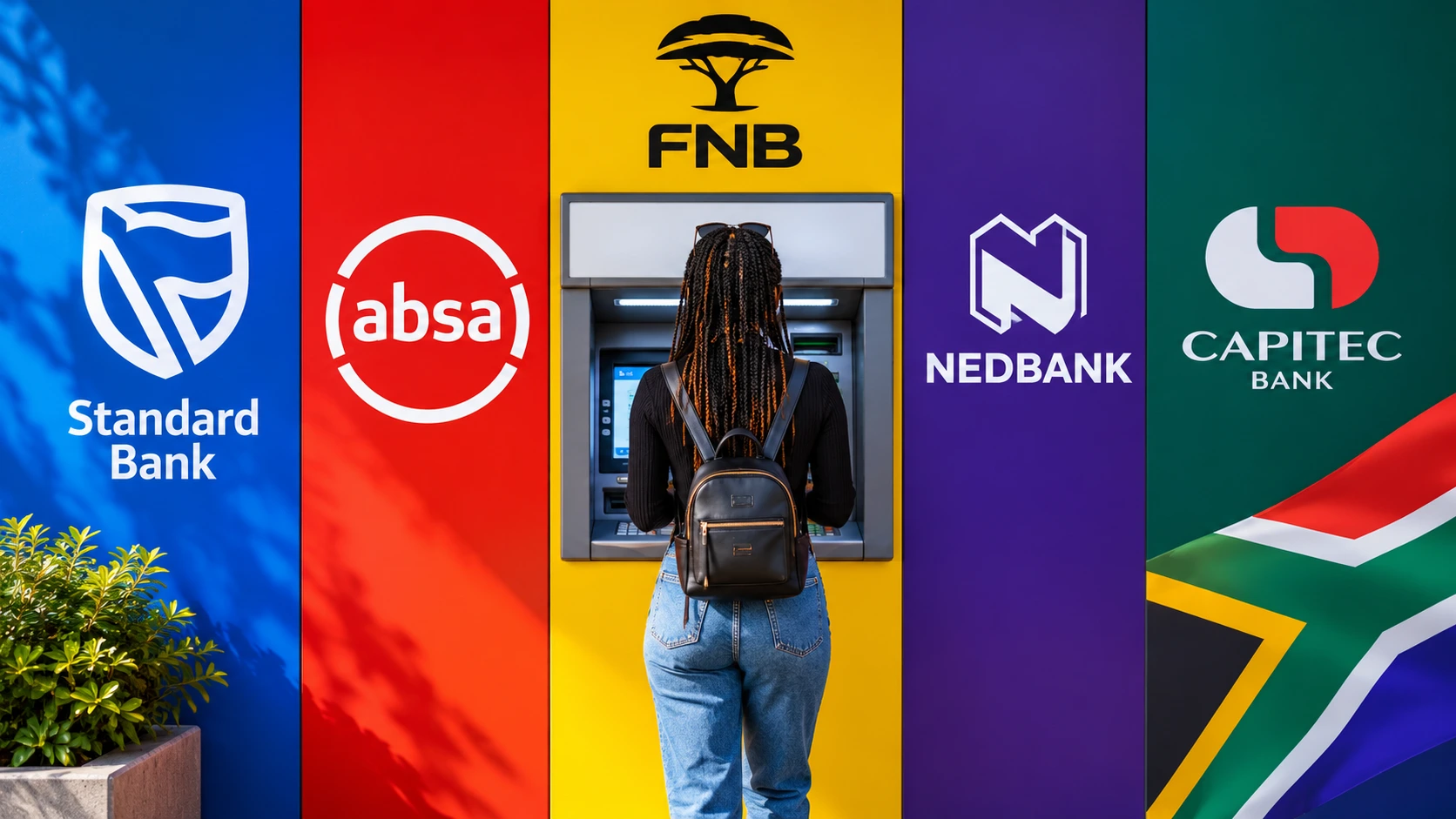
Most ATMs today carry the brand of a single bank. A white label ATM is different. It is a neutral, shared machine that customers of different banks can use.
The Reserve Bank is in talks with lenders about converting some of their existing machines into this shared model. The parties plan to meet next month to finalise the proposals.
Under the plan, these machines will need to offer three core services:
- Bank enquiry functions
- Cash withdrawals
- Cash deposits
Some withdrawals will also be free of charge, according to Maharaj. That could make a real difference for people who watch every rand.
Banks and the central bank also have a timeline in mind. Maharaj said the bank wants to finalise the white label ATM deployment next year, with the actual rollout starting in 2028. So customers should not expect to see these machines overnight.
Why the change is needed
South Africa has about 30,000 ATMs. Many of them are out of reach for low income and rural communities. These households often have limited digital payment options, so they depend on cash more than most.
They also pay more for it. Costs for these communities can be as much as five times higher than those faced by wealthier urban users. That is a heavy load for people who already earn less.
Cash is also far from dead. About 56% of all consumer transactions by volume are still made with cash, even as digital payments grow. It remains a big part of daily life for millions of South Africans.
Handling cash is expensive too. Managing, transporting and securing physical money costs almost R90 billion a year. That burden is carried by consumers.
Key facts at a glance
A table makes the main numbers easy to see.
| Item | Detail |
|---|---|
| Cash utility target date | March next year |
| Cash centres today | About 109 |
| Cash centres planned | 50 at most |
| ATMs in South Africa | About 30,000 |
| Cash share of consumer transactions | About 56% by volume |
| Yearly cost of handling cash | Almost R90 billion |
| White label ATM rollout begins | 2028 |
The biggest change in more than 40 years
The reforms will likely be the largest revamp of how cash circulates in South Africa since ATMs first arrived more than 40 years ago. That is a long time for a system to stay mostly the same.
The Reserve Bank also plans to study the best places to put ATMs and which models work best. This matters because a machine in the wrong spot does little good. A well placed machine in a rural town, on the other hand, can save people a long and costly trip.
The details of this work have not been shared yet. Banks and the central bank still need to agree on the finer points, so the final plan may look a little different from what is described today.
What this could mean for you
Nothing changes at your local ATM today. The plans are still being finalised, and the first shared machines are not expected until 2028.
If the reforms go ahead as planned, though, the benefits could be simple and real:
- More choice, because you would not be tied to one bank’s machines.
- Lower costs, especially for people in rural and low income areas.
- Free withdrawals on some transactions.
- Better placed ATMs, based on where people actually need them.
None of this is guaranteed. Plans of this size often take time and can shift along the way. Still, the direction is clear. The Reserve Bank wants cash to be an easy and fair option for everyone, not only for those who live near a busy shopping centre.
Why cash still matters in a digital world
Many people assume everyone has moved to cards and apps. The numbers tell a different story. With cash making up more than half of all consumer transactions by volume, a good cash system is still very important.
Digital options are growing, and that is a good thing. But a person in a remote village may not have a stable data connection or a smartphone. For that person, a nearby ATM is not a luxury. It is the simple link between their money and their daily needs.
By fixing the way cash is stored, moved and supplied, the Reserve Bank hopes to make the whole system work better. A single utility could also make it easier to spot problems and fix them quickly.
Where to find updates
As the plans move forward, more details are likely to be shared by the central bank. You can follow official announcements on the South African Reserve Bank website. For general public information and government notices, the South African Government website is another useful place to check.
The bottom line
South Africa is preparing for a major shake up of its cash system. A new cash utility is planned for March next year, the number of cash centres is set to fall sharply, and white label ATMs are expected to begin rolling out in 2028.
The reforms aim to cut costs, widen access and make cash easier to reach for those who need it most. It will take time, and the details are still being worked out. But if the plan succeeds, getting your money from an ATM could become cheaper, fairer and a lot more simple.
About the Author