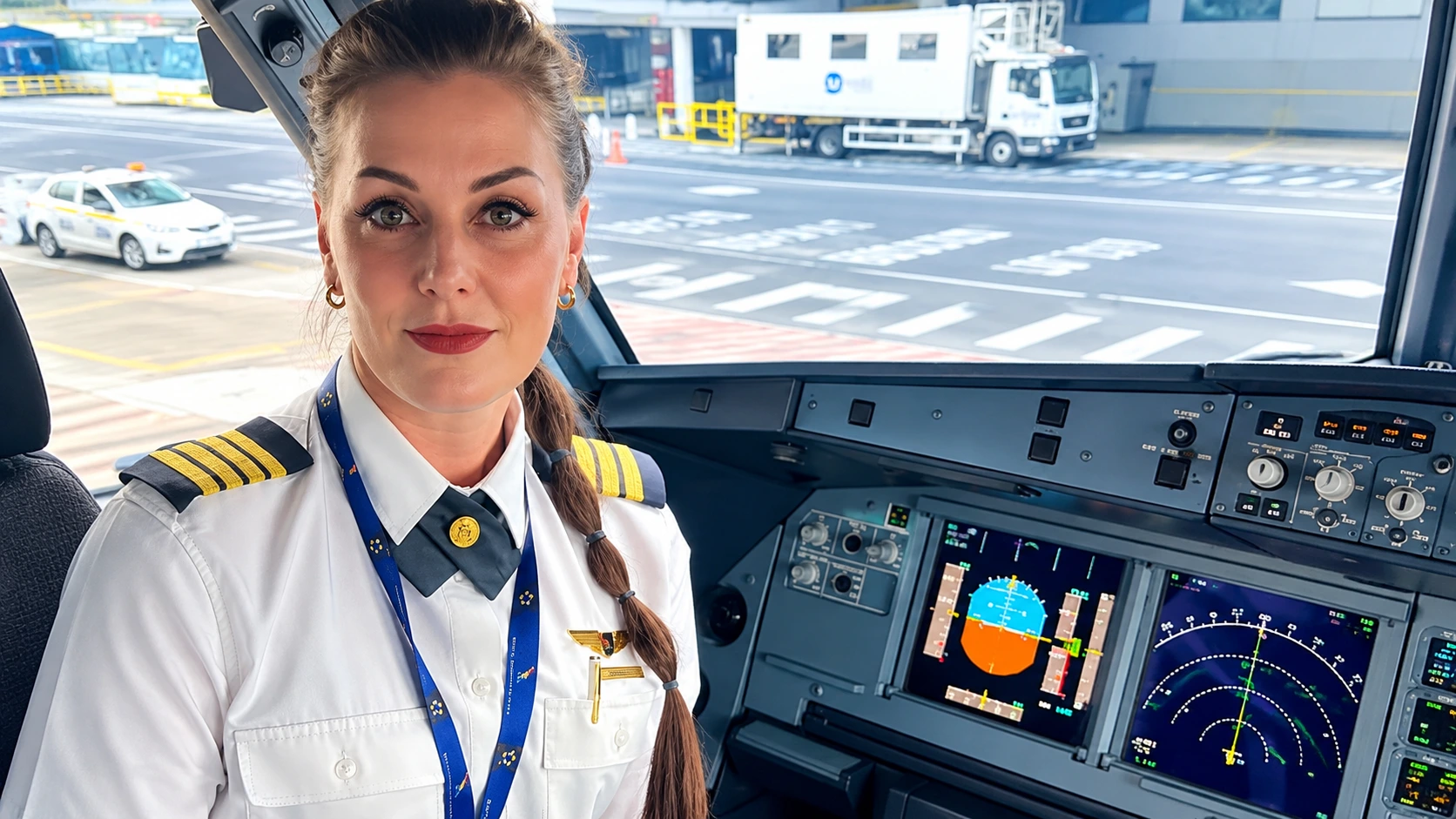
A senior pilot is now fighting for her future in the sky. Yvette Walsh, a veteran pilot at South African Airways, has gone to the High Court after being blamed for a turbulence incident that injured crew members. She says she has not had a fair chance to challenge the findings against her. The airline says there is no need for an independent investigation.
The case has caught the attention of many South Africans. It touches on flight safety, fair process and the importance of evidence. Here is a simple breakdown of what we know so far.
What happened on the flight
The incident took place in October 2024. An Airbus A330 300 was flying from Cape Town to OR Tambo International Airport when it ran into turbulence. Crew members were hurt.
Walsh has a flying record that spans 23 years. At first, she and Craig Pearce, who was the captain of the flight, believed the rough ride was caused by severe weather. They thought the conditions made the aircraft porpoise.
Porpoising is easy to picture. The plane pitches up and down in quick waves, a bit like a dolphin moving through water. It is uncomfortable for everyone on board and can be dangerous for crew who are on their feet.
That early view of the event did not hold. Later reviews pointed in a different direction.
Why the blame shifted
Reviews by Airbus and the South African Civil Aviation Authority (SACAA) reportedly concluded that Walsh’s manual control inputs played a part. In simple terms, the findings suggest that her movements on the controls added to the aircraft’s unstable flight path.
Those findings changed everything for her. She came under scrutiny and was grounded while further processes took place. For any pilot, being grounded is more than a pause. It can threaten income, reputation and the right to keep flying.
This is why the Yvette Walsh SAA matter has become more than a workplace dispute. It is a fight over who gets to decide what went wrong in the cockpit, and on what evidence.
The claim about missing recordings
One of the most serious parts of the case is about evidence. In her court papers, Walsh says critical material was not kept. She alleges that SAA did not retain the cockpit voice recordings or the flight data recordings from the flight.
These recordings matter a great deal. Flight data shows what the aircraft did, and cockpit audio helps explain what the crew said and did at the time. Together, they are among the main tools used to understand an incident like this one.
Walsh says that without them she cannot examine the key evidence for herself. That, she argues, leaves her unable to properly challenge the conclusions that were reached. She has also told the court that her professional future is uncertain. She says she does not even know whether she will still be paid at the end of the month.
These are her allegations. The Citizen has reached out to SAA and the SACAA for comment.
How SAA is responding
SAA has opposed her urgent application. The airline argues that an independent investigation is not needed. It also says that any urgency around the matter was of Walsh’s own making.
The airline has stressed that the dispute does not involve any ongoing safety concerns about the aircraft. That point is important for passengers. SAA is saying this is a fight about one pilot’s case, not about an unsafe plane.
What the court decided for now
The court has removed the matter from the urgent roll. This does not mean the case is over. It simply means the court did not agree to treat it as an emergency.
The urgent roll is meant for cases that need a fast ruling because waiting would cause serious harm. Once a matter leaves that roll, it moves at the normal pace. In this case, the High Court will hear it through the usual process next year.
For now, Walsh remains on medical leave while the legal battle continues. The outcome will likely decide whether the Yvette Walsh SAA captain can return to the cockpit.
A separate fight at the airline
The pilot’s case is not the only legal matter facing the airline. Acting SAA CEO Matshela Seshibe has launched his own urgent High Court application. He wants the court to force SAA to interview him for the permanent chief executive job, or to stop the appointment process until disciplinary proceedings against him end.
Seshibe was placed on special leave in August. He says SAA unfairly removed him from the recruitment process even though he had been shortlisted. He argues that the airline effectively found him guilty before any disciplinary outcome.
SAA has confirmed the application. It says it will deal with the matter through legal channels while the recruitment process carries on. This case is separate from the pilot’s dispute, but both show an airline dealing with pressure on more than one front.
Why this case matters to South Africans
Most travellers will never read a flight investigation report. Yet they rely on the system behind it. Good investigations depend on solid evidence, clear rules and fair treatment of the people involved.
Two questions stand out here. The first is simple. If recordings are not kept, how can anyone fully test what happened? The second is not as easy to answer. How can an airline protect safety and also treat its pilots fairly when blame is placed on one person?
The court will not answer those questions quickly. But the case reminds us that safety and fairness need to go together. Readers who want to learn how aviation safety is regulated can visit the official South African Civil Aviation Authority website. Broader transport policy information is available from the Department of Transport.
What happens next
The matter will now move through the normal High Court process next year. Until then, Walsh stays on medical leave and her career remains in limbo.
SAA says there are no safety concerns tied to the aircraft. Walsh says she cannot clear her name without access to the evidence she believes should have been kept. Both sides will get their chance to argue their case in court.
For now, the story of Yvette Walsh is a reminder that behind every aviation finding is a person whose career can hang on the details. We will keep following the case as new information becomes available.
About the Author