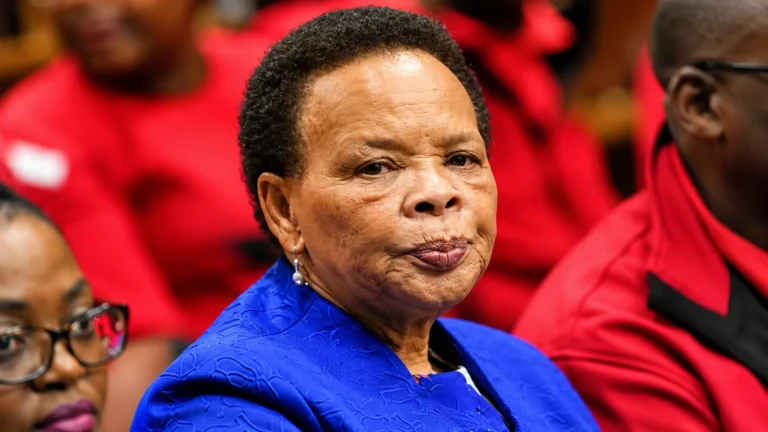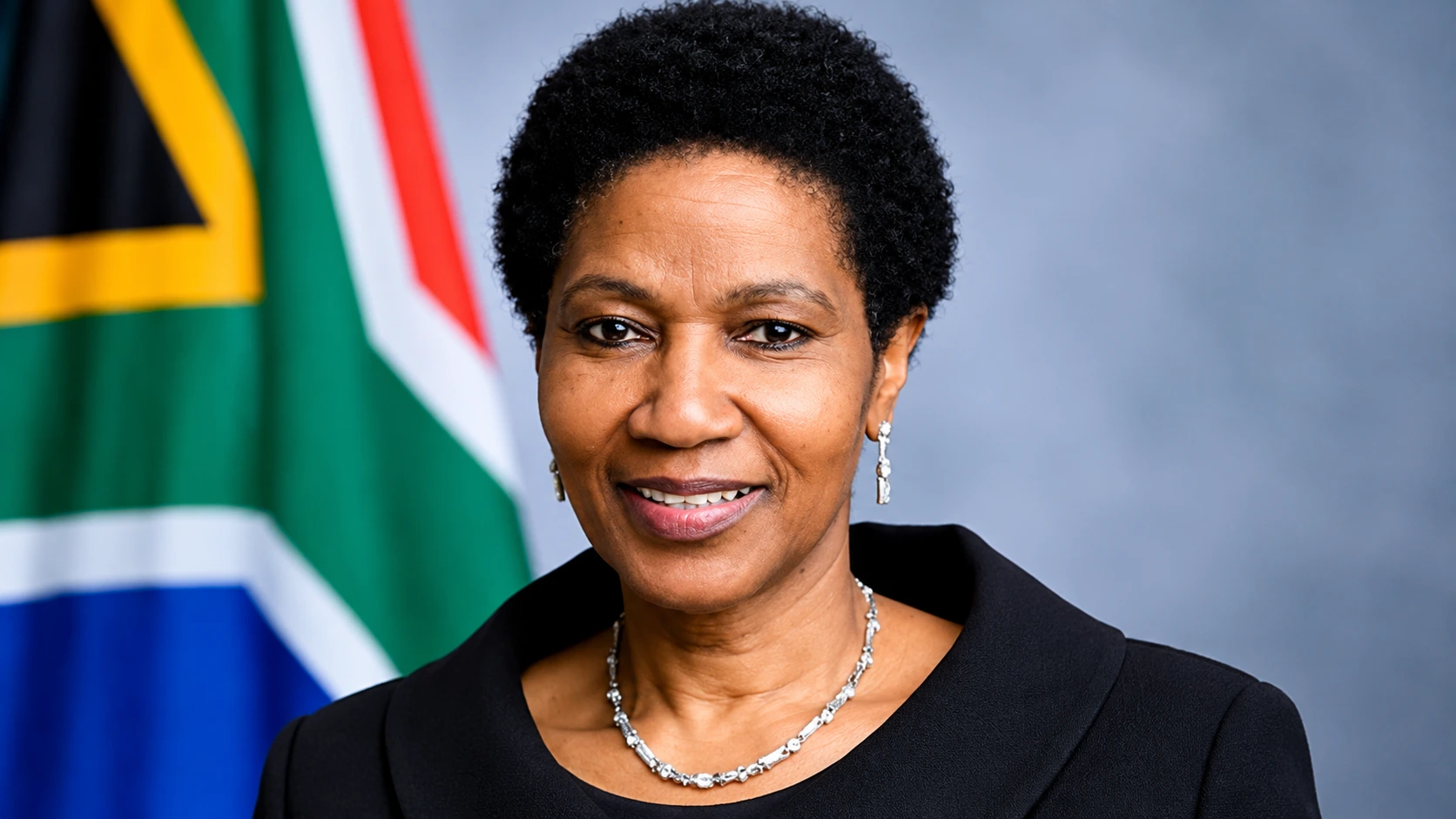
South Africa is mourning one of its most respected public figures. Phumzile Mlambo-Ngcuka has died at the age of 71. The news came late on Friday, 20 November 2026, and quickly spread across the country and beyond.
For many people in SA, this is a deeply personal loss. She was the first woman to serve as deputy president of the country. She also went on to lead the United Nations body that fights for women’s rights around the world.
What we know so far
Acting President Paul Mashatile announced the news on Friday night. He said further details would be shared after he had spoken to the family.
The Presidency also sent its condolences to her loved ones. The message came on behalf of President Cyril Ramaphosa, the government and the people of South Africa.
The family has asked for privacy during this painful time. They also said they are thankful for the kind messages coming from South Africans and from people abroad.
At the time of writing, no cause of death had been made public. Details about a memorial service or funeral have not been confirmed either. We will not guess. Official updates are expected from the Presidency and the family.
Here is a quick summary of the confirmed facts:
| Detail | Confirmed information |
|---|---|
| Who | Dr Phumzile Mlambo-Ngcuka, former deputy president |
| Age | 71 |
| When announced | Friday night, 20 November 2026 |
| Announced by | Acting President Paul Mashatile |
| Family request | Privacy, while thanking the public for messages |
| Cause of death | Not yet made public |
Who was Phumzile Mlambo-Ngcuka?
Phumzile Mlambo was born on 3 November 1955 in Claremont, Durban, in what was then Natal. Today that area falls in KwaZulu Natal. She grew up in a country shaped by apartheid. Her path into public life began long before she became a household name.
She started out as a teacher. That early experience in the classroom shaped how she spoke about education, opportunity and fairness for girls and women. She later moved into politics and became a member of Parliament after the first democratic elections.
Her career grew step by step. She served as a deputy minister in the trade and industry portfolio. She then became Minister of Minerals and Energy, a major role in a country whose economy leans heavily on mining and power.
Many South Africans will also know her as the wife of Bulelani Ngcuka, the former National Director of Public Prosecutions. Together, they were a well known couple in public life. Still, Mlambo Ngcuka built her own name, and she did it through hard work.
A first for women in South Africa
In 2005, she was appointed deputy president of South Africa. She was the first woman ever to hold the position. That moment mattered to millions of women and girls. It showed that the highest offices in government were not closed to them.
She served in the role until 2008. During those years, she was often linked to efforts to widen opportunity. She spoke about skills, jobs and women’s participation in the economy. These themes stayed with her for the rest of her career.
It is easy to look at a title and forget the journey behind it. But for many South Africans, her rise carried real meaning. It was a sign that change was possible, even if the road was long.
Leading UN Women on the world stage
After her time in government, Dr Phumzile Mlambo-Ngcuka took her work to the global stage. In August 2013, she became UN Under Secretary General and Executive Director of UN Women. She held that job until August 2021, a full eight years.
UN Women works to promote gender equality and to protect the rights of women and girls everywhere. In that role she travelled widely. She spoke to world leaders, pushed for stronger laws and called for more women in leadership.
Her message was simple. When women are included, societies grow stronger. When they are left out, everyone loses. That idea sounds easy to say, but it takes years of effort to turn into real change. She spent much of her life doing exactly that.
You can read more about her UN career on the UN Women page for former Executive Director Phumzile Mlambo-Ngcuka.
Why her passing matters to SA
The passing of a former deputy president is always a national moment. In her case, it also touches a wider story about women in leadership.
Many young women in SA grew up seeing her on television and in the news. She showed them that a girl from Durban could rise to the second most powerful office in the land. She then showed that the same girl could help shape a global agenda.
Her life links three important areas:
- Government service in South Africa, from Parliament to the deputy presidency
- Economic development, through her time in the minerals and energy portfolio
- Women’s rights, both at home and around the world
Because of this, tributes are likely to come from many sectors. These may include politicians, business leaders, activists and ordinary citizens who followed her journey.
For readers who want a clear, factual profile of her early life and career, South African History Online has a helpful entry on Phumzile Mlambo-Ngcuka.
What happens next
Several things are likely to follow in the coming days, based on how the country has handled the passing of senior leaders in the past. However, none of these have been confirmed yet, so readers should wait for official word.
- The family may share details about funeral or memorial arrangements
- The Presidency may release more information through Acting President Mashatile
- Political parties, civil society groups and international bodies may issue tributes
If you want to follow the story, rely on official statements and trusted news outlets. In moments like this, rumours can spread fast on social media. Sharing unverified claims can hurt a grieving family. A simple rule helps: if it did not come from the family or the Presidency, treat it with care.
Respecting the family’s request
The family has been clear about what they need right now, which is privacy. They have also shown gratitude for the support they have received.
South Africans can honour that wish by keeping their messages respectful. It is easy to send a kind word. It is harder, but more important, to avoid speculation about her health or her family.
A life that opened doors
Phumzile Mlambo-Ngcuka leaves behind a long record of public service. She taught, she legislated, she served in Cabinet, and she became deputy president. She then carried South Africa’s voice into the halls of the United Nations.
Her story is not only about titles. It is about opening doors for others. When a woman reaches the top and then works to bring more women with her, the effect can last for generations.
As the country waits for more details, many people will simply pause and reflect on what she achieved. South Africa has lost a leader, a pioneer and a strong voice for equality. May her family find comfort in the memories she leaves behind.
This is a developing story. This article will be updated when the Presidency or the family confirms more information.
About the Author